
From WhatsApp to HOATT: Why Communities Need a Secure, Verified Platform

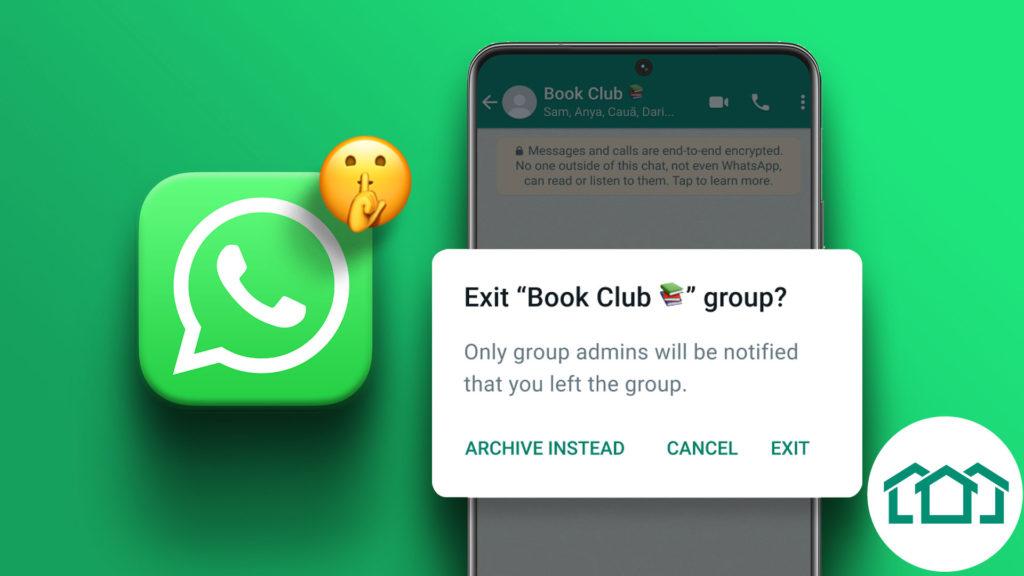
The Problem With WhatsApp (and Facebook, and everything else)
Let’s be real: in Trinidad & Tobago, WhatsApp groups are everywhere. You probably have one for your family, another for your neighborhood, and maybe three more for school runs, sports, or church.
But when it comes to serious issues like suspicious vehicles, break-ins, illegal dumping, or even a simple water outage, WhatsApp quickly shows its limits:
- No verification → You don’t actually know who’s in the group. Anyone could forward fake news.
- Information overload → Between memes, chain messages, and “Good Morning 🌞” GIFs, important updates get buried.
- No escalation → Reporting a problem in a WhatsApp group doesn’t guarantee it reaches a councillor, the police, or WASA.
- Privacy risks → Your phone number, profile picture, and personal info are exposed to strangers.
This isn’t just opinion. Studies in the Caribbean and Latin America show that unverified messaging apps are major channels for misinformation: from false crime reports to hurricane panic updates (source: Reuters Institute).
Enter HOATT: A Platform Built for Communities
HOATT (Homeowners Association of Trinidad & Tobago) was designed for exactly these problems. Unlike WhatsApp or Facebook, it’s not about casual chatting, it’s about verified, structured communication that matters for your neighborhood.
Here’s what sets it apart:
- Identity Verification
- When you join HOATT, you upload a valid ID and photo. This means real people are behind profiles. No fake names, no “random cousin from nowhere.”
- Privacy by Default
- Unlike Facebook where everything is public by default, HOATT keeps resident profiles hidden unless you choose to share. That means no random “add me nah” requests.
- Direct Escalation Channels
- A report about illegal dumping in Diego Martin doesn’t just die in a chat. It gets structured, logged, and can be routed to the EMA, your local corporation, or even national agencies.
- Community + State Collaboration
- Agencies, councillors, and police officers can join HOATT groups tied to your area. That makes communication two-way, not just shouting into the void.
Examples: WhatsApp vs. HOATT in Action
Let’s say your neighborhood sees a suspicious vehicle parked up late at night.
- WhatsApp: Someone drops a blurry pic, 100 messages fly in (“Dat looking like meh neighbour car nah” / “Somebody call the police!”), and by the next morning the message is lost under carnival memes.
- HOATT: You log it as a report. It gets timestamped, shared with your community group, and escalated to the local police liaison if needed. Plus, it stays in the database for patterns (e.g. if that car shows up in another neighborhood).
Another example: illegal dumping in San Fernando.
- On WhatsApp, you vent. Maybe someone shares a phone number.
- On HOATT, your community logs it → the corporation sees it → it’s linked to location data and evidence.
That’s the power of structure.
Why This Matters for Trinidad & Tobago
Trinidad has some unique realities that make HOATT especially important:
- Crime Concerns: In 2023, TTPS reported over 600 murders (GuardianTT) and countless robberies. Communities need trustworthy, fast communication with police.
- Flooding & Infrastructure: Every rainy season, neighborhoods are cut off. A system like HOATT means reports about blocked drains or flooding hotspots don’t vanish in noise.
- Community Disconnection: Gated communities, scattered residents, and poor trust in institutions mean people feel powerless. HOATT bridges that gap.
Why You Should Care
HOATT isn’t meant to replace your WhatsApp family chat. It’s meant to do what WhatsApp can’t:
- Keep communities safer.
- Make voices actually heard by the state.
- Give us a digital space that’s ours and not Silicon Valley’s.
The next time you’re frustrated that your neighborhood WhatsApp chat couldn’t get WASA to fix a burst pipe, think of HOATT.








Responses