
Trinidad’s Future: Balancing Oil, Gas & Green Energy

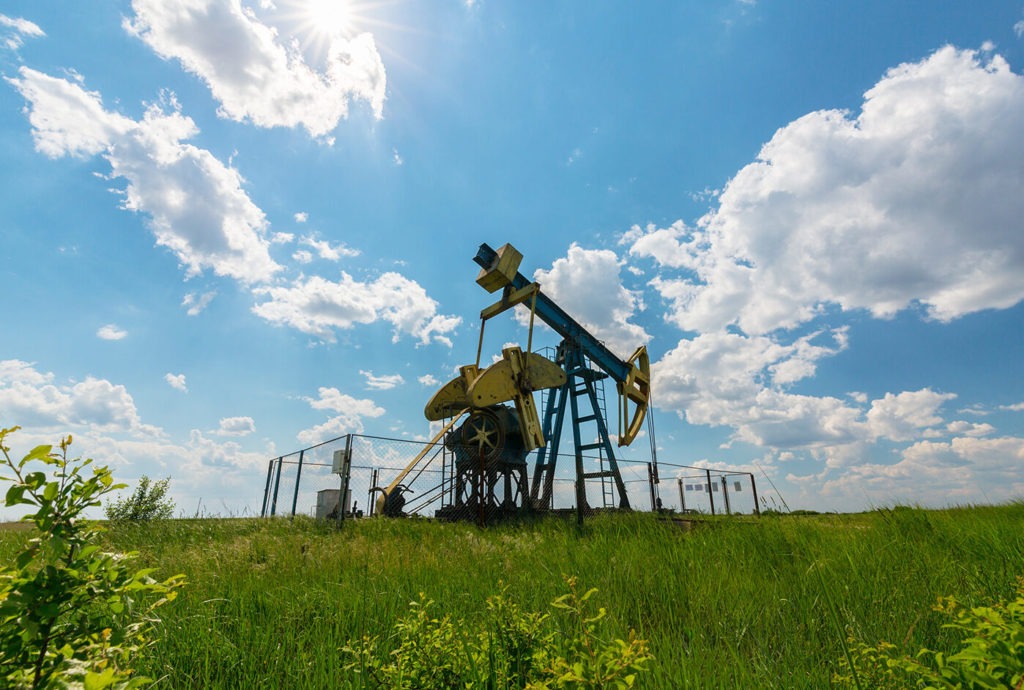
The Energy Legacy and the Turning Point
For decades, Trinidad and Tobago has stood as the Caribbean’s industrial and energy powerhouse, from the discovery of oil in 1857 to its evolution into a leading liquefied natural gas (LNG) exporter. The energy sector has long powered both the economy and national identity.
But as the world moves toward renewable energy and decarbonisation, Trinidad & Tobago stands at a crossroads. The challenge is no longer only how much oil or gas we can extract, but how we use our energy legacy to fuel a sustainable future.
According to reports from the Trinidad & Tobago Extractive Industries Transparency Initiative (TTEITI), oil revenue is expected to decline. The 2025 projection shows oil revenue dropping from approximately TT$16.7 billion in 2024 to about TT$14.2 billion in 2025. Trinidad and Tobago Newsday This points to narrowing margins and increasing urgency for economic diversification.
Balancing Tradition and Transition
Energy transition does not mean shutting down oil and gas overnight. Rather, it means using today’s revenues and infrastructure to fund tomorrow’s opportunities. Trinidad & Tobago’s industrial base, skilled workforce, and LNG infrastructure offer a solid foundation for diversification into green hydrogen, carbon capture, and renewable manufacturing.
The region’s policy framework echoes this direction. The Caribbean Community (CARICOM) has set a target of 47% renewable energy contribution to electricity generation by 2027 for member states. CARICOM+1 Trinidad & Tobago, as a regional energy player, has the capacity to lead this transition rather than simply follow.
Example: Transforming LNG Infrastructure
The restructuring of Atlantic LNG, a cornerstone of the national energy sector, presents an opportunity to align production efficiency with environmental responsibility. By integrating carbon-reduction technologies and renewable offsets, Trinidad & Tobago can turn legacy assets into future-proof ones.
The Caribbean Connection
Trinidad & Tobago’s influence in the region extends beyond exports; it also shapes energy policy for the Caribbean. While many islands remain dependent on imported fossil fuels, T&T’s industrial legacy and expertise create a platform for regional leadership.
Capacity building through institutions like the Caribbean Centre for Renewable Energy and Energy Efficiency (CCREEE) strengthens this role. For example, CCREEE and the Caribbean Electric Utility Services Corporation (CARILEC) signed an MoU to promote renewable energy goals for the region. Energy Chamber of Trinidad and Tobago
Environmental Stewardship and Responsibility
Despite a small population size, Trinidad & Tobago has among the highest per-capita CO₂ emissions in the Caribbean: around 19.9 metric tons per person in 2023. TheGlobalEconomy.com+1 The industrial-heavy economy and fossil-fuel production underpin this statistic.
Given this context, sustainability is not optional, it’s essential. Initiatives such as the national Carbon Reduction Strategy and Draft National Climate Change Policy outline frameworks for transitioning production and consumption patterns.
On the community level, restoring ecosystems (for example, mangrove rehabilitation in the Caroni Swamp) can both capture carbon and support biodiversity and tourism which offers dual benefits for economy and environment.
Pathways Forward
Trinidad & Tobago’s energy evolution will depend on innovation, partnerships, and public participation. The next phase should focus on:
- Energy diversification – expanding solar, wind, and hydrogen while safeguarding efficient hydrocarbon production.
- Research and innovation hubs – supporting the University of the West Indies (UWI) and local start-ups developing green technologies.
- Public-private collaboration – creating frameworks where both investors and communities benefit.
- Regional partnerships – connecting expertise across the Caribbean for a unified clean-energy vision.
The national challenge is profound but filled with promise: to move from being a traditional energy exporter to a global model of balanced transition, where economic resilience and environmental stewardship work hand in hand.
References:









Responses