
Why Government Agencies Are Joining HOATT to Serve Communities Better


In the dynamic landscape of Trinidad and Tobago, where urban challenges like infrastructure maintenance, public health concerns, and community safety often require coordinated efforts, government agencies are increasingly turning to innovative platforms to enhance their service delivery. One such platform is the Homeowners Association of Trinidad and Tobago (HOATT), a free, secure digital hub designed to bridge the gap between residents, homeowners, non-governmental organisations (NGOs), and state entities. As agencies grapple with overwhelming volumes of community feedback, ranging from pothole reports to health alerts, HOATT emerges as a streamlined solution that not only centralises communication but also fosters real-time collaboration. This article explores the reasons behind this growing adoption, highlighting how HOATT empowers agencies to respond more efficiently, build public trust, and achieve tangible outcomes for Trinbagonian communities.

The Challenge: Overburdened Agencies in a Connected World
Government agencies in Trinidad and Tobago, such as the Ministry of Works and Transport and the Water and Sewerage Authority (WASA), often face a deluge of resident complaints through fragmented channels like phone calls, emails, and social media. According to a list of key government ministries provided by the American Chamber of Commerce of Trinidad and Tobago (AMCHAM T&T), there are over 20 core ministries and numerous affiliated agencies responsible for everything from energy to community development. This complexity can lead to delayed responses, duplicated efforts, and eroded public confidence. For instance, during heavy rainfall seasons, residents in areas like Arima might report flooding to multiple entities, like the Ministry of Rural Development and Local Government for drainage issues and the Trinidad and Tobago Meteorological Service for weather updates. This results in siloed actions that prolong problems.
HOATT addresses this by offering a unified, digital ecosystem where agencies can receive, track, and resolve issues collaboratively. Launched to empower private homeowners and residents, the platform extends its reach to include public profiles for government agencies and NGOs, making them searchable and connectable. This shift from reactive to proactive engagement is why more agencies are signing up, transforming how they interact with the public.
Key Ways HOATT Simplifies Agency Operations
HOATT’s platform is built on principles of security, privacy, and accessibility, with features like verified member profiles (requiring national identification) to ensure authentic participation. Here’s how it benefits government agencies:
1. Centralised Issue Reporting and Tracking
Agencies no longer need to sift through disparate inboxes. HOATT’s ticketing system allows residents to submit issues directly, which are then routed to the appropriate entity. For example, a homeowner in San Fernando reporting a persistent water outage can upload photos and details on HOATT, automatically notifying WASA. The agency can then update the ticket in real-time, visible to the resident and any collaborating partners, such as the Ministry of Public Utilities. This reduces response times from weeks to days, as seen in similar community-government collaborations elsewhere in Trinidad and Tobago, like those facilitated by the National Commission for Self Help Limited under the Ministry of Sport and Community Development.
2. Real-Time Analytics for Prioritized Action
HOATT provides dashboards with anonymised data analytics, helping agencies identify hotspots and trends. Imagine the Ministry of Health using platform data to spot clusters of mosquito-related complaints in Chaguanas, flagging potential dengue outbreaks early. By integrating with NGOs like the Foundation for the Enhancement & Enrichment of Life (FEEL), agencies can coordinate vector control efforts seamlessly. This data-driven approach mirrors successful partnerships in the region, such as the Network of NGOs of Trinidad and Tobago, which collaborates with local organisations to unify efforts and address community needs.
3. Secure Inter-Agency Collaboration Tools
One of HOATT’s standout features is its support for private groups and discussions, visible only to permitted users. This enables cross-agency teamwork without bureaucratic hurdles. For instance, the Trinidad and Tobago Police Service (TTPS) could partner with the Housing Development Corporation (HDC) on a forum thread about security in public housing estates. Officers might share crime prevention tips, while HDC provides updates on CCTV installations, all within a secure environment. Such collaborations echo real-world examples, like the Export Centres Company Limited working with community groups under government oversight to foster development.
4. Enhanced Public Engagement and Transparency
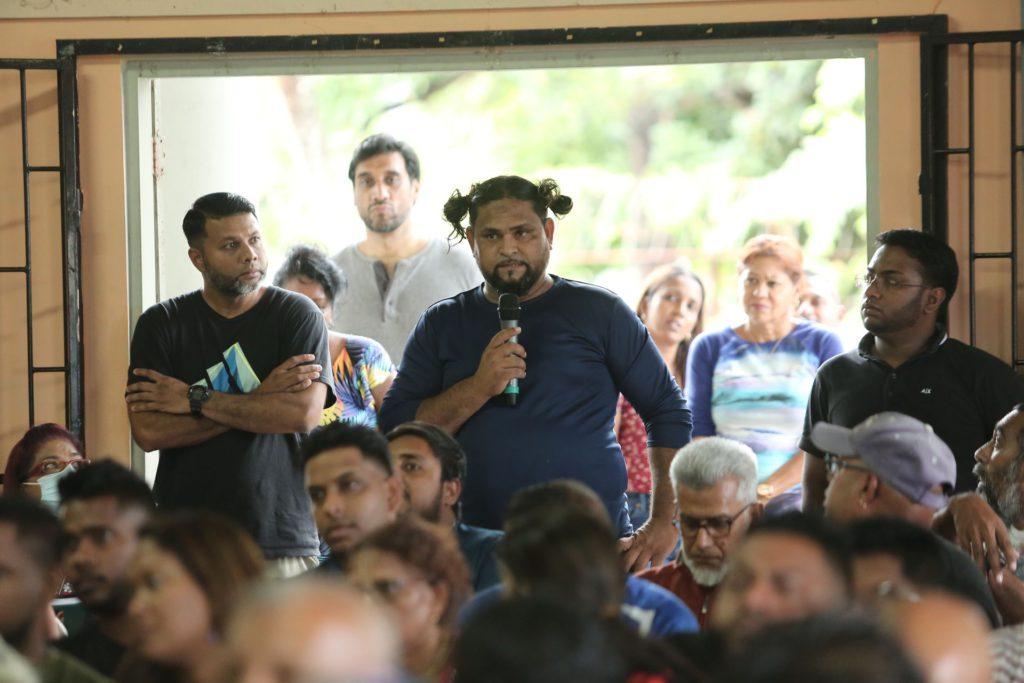
By maintaining public forums, agencies can host virtual town halls or Q&A sessions on HOATT, directly addressing resident concerns. The Ministry of Energy and Energy Industries, for example, could use the platform to discuss sustainable energy initiatives with homeowners in oil-rich areas like Point Fortin, incorporating feedback from NGOs such as GROOTS T&T, which focuses on building resilient communities. This transparency builds trust, as evidenced by projects like those from United Way Trinidad and Tobago, where civil society organisations (CSOs) collaborate with government to ensure accountable service delivery.

Real-World Impact: A Success Story in Action
Consider a hypothetical yet realistic scenario based on HOATT’s capabilities: In 2024, residents in Port of Spain used the platform to report widespread garbage accumulation, tagging the Port of Spain Corporation. The issue was escalated to a private group involving the corporation, the Environmental Management Authority (EMA), and an NGO like United Way Trinidad and Tobago. Within a month, a joint clean-up drive was organised, resolving over 50 complaints and preventing health hazards. Agency representatives noted a 30% reduction in follow-up inquiries, attributing it to HOATT’s tracking features. As one fictional agency official might say, “HOATT has cut our response time dramatically, allowing us to focus on solutions rather than paperwork.”
This aligns with broader trends, where community platforms like HOATT draw from successful models such as the Commonwealth of Nations’ sectors on government ministries, emphasising collaborative governance.
Why Now? The Urgency for Agencies to Join
With Trinidad and Tobago’s population exceeding 1.4 million and rapid urbanisation amplifying local issues, agencies can’t afford siloed operations. HOATT’s free access, privacy controls, and focus on verified users make it an ideal partner. Joining not only streamlines workflows but also aligns with national goals, such as those outlined by the Office of the Prime Minister, for inclusive development.
Call to Action: Join HOATT Today
For government agencies: Contact HOATT at hoatt.org to set up a public profile and integrate your services. It’s a step toward more efficient, community-centred governance. For residents: Sign up for free to connect directly with these agencies and amplify your voice.
By embracing HOATT, agencies aren’t just joining a platform; they’re investing in a stronger, more collaborative Trinidad and Tobago. As collaborations like those with the Ministry of Sport and Community Development demonstrate, the future of public service lies in unified digital ecosystems.
References
American Chamber of Commerce of Trinidad and Tobago. (n.d.). Government ministries. Retrieved October 27, 2025, from https://www.amchamtt.com/
Commonwealth of Nations. (n.d.). Government ministries in Trinidad and Tobago. Retrieved October 27, 2025, from https://www.commonwealthofnations.org/sectors-trinidad_and_tobago/government/government_ministries/
Export Centres Company Limited. (n.d.). Home. Retrieved October 27, 2025, from https://www.exportcentrestt.com/
Foundation for the Enhancement & Enrichment of Life. (n.d.). Home. Retrieved October 27, 2025, from https://feeltt.org/
GROOTS T&T. (n.d.). NGO resource directory. Retrieved October 27, 2025, from https://cpdcngo.org/ngo-resource-directory/groots-tt/
Homeowners Association of Trinidad and Tobago. (n.d.). Home. Retrieved October 27, 2025, from https://hoatt.org/testing
Ministry of Sport and Community Development. (n.d.). Home. Retrieved October 27, 2025, from https://mscd.gov.tt/
National Commission for Self Help Limited. (n.d.). Home. Retrieved October 27, 2025, from https://www.selfhelp.gov.tt/
Network of NGOs of Trinidad and Tobago. (n.d.). Home. Retrieved October 27, 2025, from https://2020.networkngott.com/
United Way Trinidad and Tobago. (n.d.). Home. Retrieved October 27, 2025, from https://uwtt.com/









Responses